Wildlife Control & Exclusion Services
Not Just Removal. Permanent Exclusion
Here’s the honest truth about wildlife control: trapping an animal and hauling it away doesn’t solve your problem. It solves today’s problem. Tomorrow? A new family moves into that nice warm attic space you just vacated.
That’s why we don’t do “catch and release” as our main service. We do exclusion.
Exclusion means we find every single point of entry, every gap in your soffit, every crack in your foundation, every loose vent cover, and we seal it with materials that wildlife cannot defeat. We use heavy-gauge galvanized steel mesh, custom metal flashing, industrial polyurethane sealant, and copper mesh. Stuff that squirrels can’t chew through and raccoons can’t tear apart.
Then, and only then, do we remove the animals currently inside. The result? A home that’s not just empty, it’s fortified.
Bat Control & Bat-Proofing
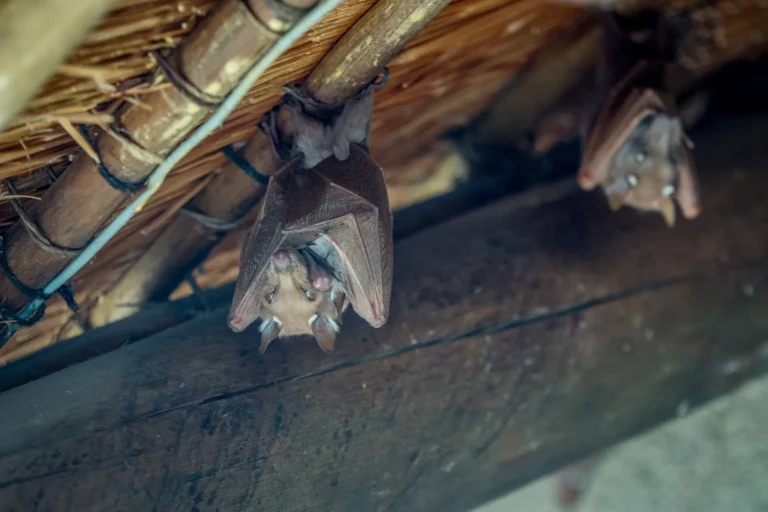
Bats are the most common and most misunderstood wildlife issue we deal with. A single bat can squeeze through a gap the width of a dime. A colony can take up residence in your attic before you ever hear a sound. And bat droppings (guano) aren’t just gross, they can carry histoplasmosis, a respiratory disease that’s dangerous to humans.
Our bat exclusion process is science-based and humane:
- Inspection: We find every potential entry point, often in places you’d never think to look.
- One-Way Doors: We install specialized exclusion tubes that let bats exit but prevent them from re-entering.
- Sealing: Once we’re sure the bats are out, we seal every gap permanently.
- Cleanup: We remove guano, sanitize the affected area, and restore your insulation if needed.
We’re Bat Standards Certified (BSC) and follow the National Wildlife Control Operators Association (NWCOA) protocols. This isn’t a side gig for us — it’s a specialty.
- Full bat inspections (interior & exterior)
- Humane bat exclusion (one-way exit devices)
- Sealing all secondary entry points (gaps dime-size and larger)
- Custom-fabricated bat exclusion materials
- Bat maternity season–compliant solutions
- Long-term bat prevention & warranties
- Bat colony remediation recommendations
Rodent Control & Exclusion
Rats and mice aren’t just a nuisance, they’re a danger to your home. They chew through electrical wiring (a fire hazard), destroy insulation, contaminate food sources, and spread diseases like hantavirus.
We handle all types of Nebraska rodents:
- Norway Rats: Usually found in basements and crawlspaces. They’re burrowers.
- Roof Rats: Agile climbers that get into attics and upper floors.
- House Mice: Small enough to squeeze through a hole the size of a pencil. They multiply fast.
Our approach is exclusion-focused: find the entry, seal it, then trap the ones inside. We don’t rely on poison baits because poisoned rodents often die inside your walls, creating a smell problem that lasts for weeks.
- Mouse and rat exclusion services
- Entry point identification and sealing
- Custom metal flashing and rodent guards
- Interior and exterior rodent inspections
- Long-term rodent prevention solutions
- Rodent trapping and removal (when needed)
Raccoons & Squirrels - Nuisance Wildlife Trapping & Removal
Raccoons are incredibly strong. They’ll tear through roofing shingles, pry off soffit panels, and rip open vent covers to access your attic. Once inside, they cause extensive damage, torn ductwork, ruined insulation, and droppings that can contain raccoon roundworm, a serious health risk.
Squirrels might look cute at the bird feeder, but they’re rodents with a lot of determination. They’ll chew through wood, drywall, and even electrical conduit. We see them most often in attics during the fall and spring, when they’re looking for warm places to nest.
Our process is the same for both: humanely remove, then permanently exclude. We identify the entry route, install heavy-gauge steel mesh or custom metal repair panels, and ensure the animal cannot re-enter.
- Raccoons
- Squirrels
- Skunks
- Opossums
- Groundhogs / Woodchucks
- Other nuisance wildlife (case-by-case)
All trapping performed legally, humanely, and in compliance with state regulations.
Snakes & Birds - Light Wildlife Cleanup
Snakes: Nebraska is home to several snake species, from harmless garter snakes to bullsnakes. While most are beneficial to the ecosystem, nobody wants one in their basement or crawling across their garage floor. Snake prevention is all about perimeter sealing, if there’s no gap under the door or crack in the foundation, snakes can’t get in.
Birds: Pigeons, sparrows, and starlings nesting in your soffits or on your roof create mess, noise, and health risks from droppings. We install professional bird deterrent systems, spikes, netting, and slope barriers, that keep birds off your property humanely and permanently.
- Small-scale animal waste removal
- Nest and debris removal
- Minor attic cleanup after wildlife activity
- Recommendations for full remediation when needed
- Groundhogs / Woodchucks
- Other nuisance wildlife (case-by-case)
Gutter & Exterior Services
- Gutter cleanouts
- Removal of debris that contributes to wildlife access
- Inspection of rooflines during service
Our Guarantee
Every exclusion job comes with our warranty. Bats to Rats stands behind our work because we know we do it right. If an animal finds a way back in through a sealed point, we come back and fix it. That’s not just a promise. It’s peace of mind.
Frequently Asked Questions
FAQs about Bats
Are bats protected in Nebraska?
Yes. Bats are protected wildlife in Nebraska. Removal and exclusion must be performed in accordance with state and federal regulations.
What is bat exclusion?
Bat exclusion is the process of allowing bats to safely leave a structure while preventing them from returning.
We install one-way devices that allow bats to exit naturally. Once all bats have left, we permanently seal the structure.
How do bats get into homes?
Bats can enter openings as small as 3/8 inch.
Common entry points include:
- Ridge vents
- Soffits
- Dormers
- Roof intersections
- Gable vents
- Flashing gaps
- Utility penetrations
- Chimneys
Can bats damage my home?
Yes. Bat droppings and urine can damage insulation, create odors, and impact indoor air quality.
What time of year can bats be removed?
The best time for bat exclusion is:
- Spring
- Late summer
- Fall
During June and July, baby bats are unable to fly.
What happens during maternity season?
Our process becomes a four-step process:
- Inspection
- Seal secondary entry points
- Install one-way devices after pups can fly
- Remove devices and complete final sealing
Why can't bats be excluded during maternity season?
Mother bats nurse their young during summer.
If exclusion devices are installed too early, baby bats can become trapped inside.
For ethical and legal reasons, primary exclusions are delayed until the pups can fly.
How much does bat removal cost?
Costs vary based on:
- Home size
- Accessibility
- Number of entry points
- Type of construction
- Extent of exclusion work
Every project is unique.
What is Ridge Guard?
Ridge Guard is our premium ridge vent protection system.
It helps prevent bats and rodents from entering through ridge vents while maintaining proper attic ventilation.
FAQs about Mouse & Rodent
How do mice get into homes?
Mice can enter through openings as small as a dime.
Common entry points include:
- Utility penetrations
- Garage doors
- Foundation gaps
- Crawl spaces
- Siding transitions
- Roofline gaps
Why do mice keep coming back every winter?
Because the entry points remain open. Traps remove mice already inside. Exclusion prevents new mice from entering.
Can you mouse-proof my house?
Yes. We specialize in rodent exclusion and whole-home sealing programs.
What are signs of a mouse infestation?
- Droppings
- Scratching sounds
- Gnaw marks
- Nesting materials
- Food contamination
FAQs about Squirrel
How do squirrels get into attics?
Common entry points include:
- Roof vents
- Soffits
- Fascia boards
- Roof intersections
- Construction gaps
Are squirrels dangerous?
Squirrels can:
- Damage insulation
- Chew wiring
- Damage roofing materials
- Create fire hazards
What attracts squirrels to my home?
- Nearby trees
- Bird feeders
- Accessible rooflines
- Existing entry points
FAQs about Raccoon
How do raccoons get into attics?
Raccoons commonly enter through:
- Roof vents
- Soffits
- Chimneys
- Damaged roofing
Can raccoons damage a home?
Absolutely. Raccoons can tear open roofing materials, destroy insulation, damage vents, and create costly repairs.
Do raccoons have babies in attics?
Yes. Spring is one of the most common times for raccoons to establish den sites inside attics.
FAQs about Wildlife Exclusion
What is wildlife exclusion?
Wildlife exclusion is the process of preventing animals from entering structures by sealing all potential access points.
Why is exclusion better than trapping?
Trapping addresses the animal. Exclusion addresses the reason the animal entered.
Does exclusion work for multiple species?
Yes. Many wildlife species use the same vulnerabilities. Proper exclusion protects against:
- Bats
- Mice
- Rats
- Squirrels
- Birds
- Raccoons
What materials do you use?
We use:
- Metal flashing
- Custom fabricated metal
- Professional sealants
- Mortar repairs
- Ridge Guard systems
- Vent protection systems


